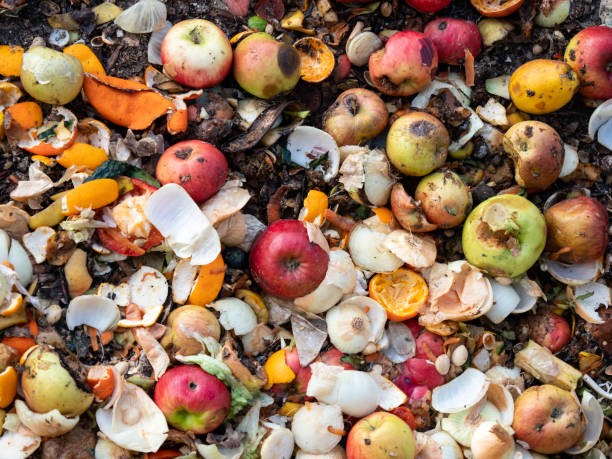
Every farming season, a significant share of Ghana’s agricultural output never reaches a buyer, a processor, or a consumer’s plate. It’s lost — not to drought, pests, or poor yields, but to what the industry calls post-harvest loss: spoilage, poor storage, inadequate handling, and delays between harvest and sale. For grains and cereals like maize and soybeans, post-harvest losses across West Africa are consistently estimated at significant proportions of total output. For a smallholder farming household, that loss isn’t an abstract statistic — it’s income that never materializes.
Where the Losses Happen
Post-harvest loss isn’t a single point of failure; it accumulates across several stages:
At the farm gate, produce is often dried on open ground or stored in makeshift structures vulnerable to moisture, pests, and rodents in the weeks between harvest and sale.
During transport, poor roads and inadequate packaging mean physical damage and contamination before produce even reaches an aggregation point.
In storage, the absence of proper warehousing means grain that could remain viable for months instead deteriorates within weeks, losing both quality grade and market value.
In market timing, farmers without storage options are frequently forced to sell immediately after harvest — precisely when prices are at their seasonal low, because everyone is selling at once.
Why Aggregation and Storage Infrastructure Is the Solution
The single most effective lever against post-harvest loss is proper aggregation and storage infrastructure positioned close to farming communities. When produce can move quickly from farm to a properly managed storage facility — one with moisture control, pest management, and inventory systems — the window for spoilage shrinks dramatically.
This is the core of what Comex Africa Limited builds into its operating model. Rather than farmers bearing the full risk of storing their own harvest under poor conditions, aggregation hubs collect produce shortly after harvest, apply proper drying and quality control, and hold it under conditions that preserve both volume and grade until it reaches a buyer. This does two things simultaneously: it protects the farmer’s harvest from unnecessary loss, and it gives farmers the option to sell later in the season, when prices are typically more favorable, rather than being forced into distress sales at harvest time.
The Economic Multiplier Effect
Reducing post-harvest loss doesn’t just recover lost volume — it changes farmer behavior. When farmers trust that a reliable aggregation and storage system exists, they have less incentive to sell immediately at low post-harvest prices out of fear of spoilage, and more incentive to invest in higher yields, knowing that additional output won’t simply rot before it can be sold. Over time, this creates a virtuous cycle: better storage access leads to better farmer incomes, which leads to greater investment in productivity, which leads to more marketable surplus for processors and exporters.
Solving post-harvest loss is rarely framed as glamorous work — it’s warehouses, moisture meters, and logistics rather than headline-grabbing innovation. But for Ghana’s agricultural sector, closing this gap may be one of the highest-impact investments available, and it’s a problem that aggregation-focused companies are positioned to solve at scale.