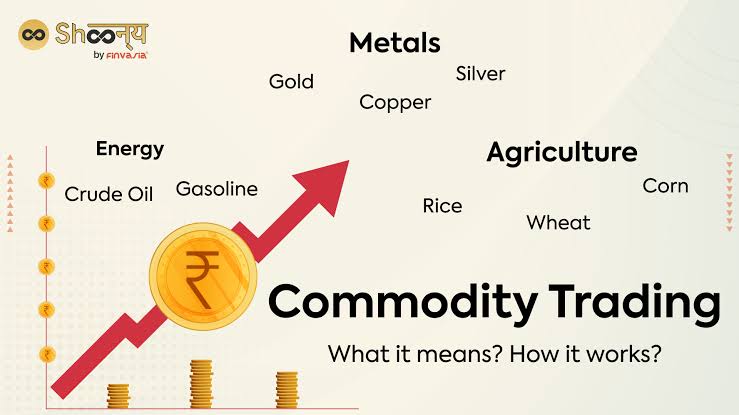
For decades, Ghana’s agricultural produce has moved from farm to buyer through informal, fragmented channels — a system where prices are negotiated on the spot, quality is inconsistent, and farmers rarely have the leverage to demand fair value for their harvest. The launch of the Ghana Commodity Exchange (GCX) marked a turning point, introducing a structured, transparent marketplace where commodities can be traded on standardized terms.
Comex Africa Limited operates as a recognized brokerage member of the GCX, and this positioning matters more than it might first appear. A brokerage seat isn’t just a license to trade — it’s a commitment to operate within a framework of price transparency, quality grading, and settlement discipline that protects everyone in the transaction chain.
What Structured Trading Actually Changes
In an unstructured market, a smallholder farmer selling maize or soybeans typically has one option: sell to whoever shows up, at whatever price is offered that day, with no independent verification of quality or weight. Structured trading through a commodity exchange changes the mechanics in three ways:
Price discovery becomes transparent. Instead of a single buyer setting the price in isolation, exchange-based trading aggregates demand and supply signals, giving farmers and buyers a clearer picture of fair market value.
Quality is standardized and verified. Grading and certification systems mean a bag of maize sold through the exchange meets a defined specification — moisture content, foreign matter, grade — rather than being assessed informally at the point of sale.
Settlement risk is reduced. Structured platforms typically guarantee payment terms, reducing the risk that a farmer delivers produce and waits weeks — or never — to be paid in full.
The Aggregation Bridge
None of this works, however, without an intermediary that can aggregate volumes from many smallholder farmers into the quantities that exchange-based trading and industrial buyers require. A single farmer with two acres of maize cannot meet the volume requirements of a feed mill or an exporter on their own. This is the role Comex Africa plays: consolidating produce from farming communities across Ghana into consistent, tradeable volumes, while ensuring the quality and documentation standards the exchange requires are met before produce reaches the trading floor.
Why This Matters for Ghana’s Food Security
Structured commodity markets don’t just benefit individual transactions — they strengthen the broader agricultural economy. When farmers can reliably access fair markets, they have greater incentive to invest in productivity: better seed, proper storage, improved farming practices. When buyers can source consistent volumes of graded produce, they can plan production with confidence rather than face constant supply uncertainty. Over time, this reduces the volatility that has historically made Ghanaian agriculture a difficult sector for both smallholders and industrial processors to plan around.
As Ghana’s commodity exchange ecosystem matures, the brokerage firms that can combine on-the-ground farmer relationships with disciplined market execution — like Comex Africa — will play an increasingly central role in connecting the country’s agricultural base to the markets it deserves access to.